We are HydroBeetle.

Four of us, building a backpack that collects water from the air around you. The project started at the University of Tokyo in July 2025.

It started with carrying water.
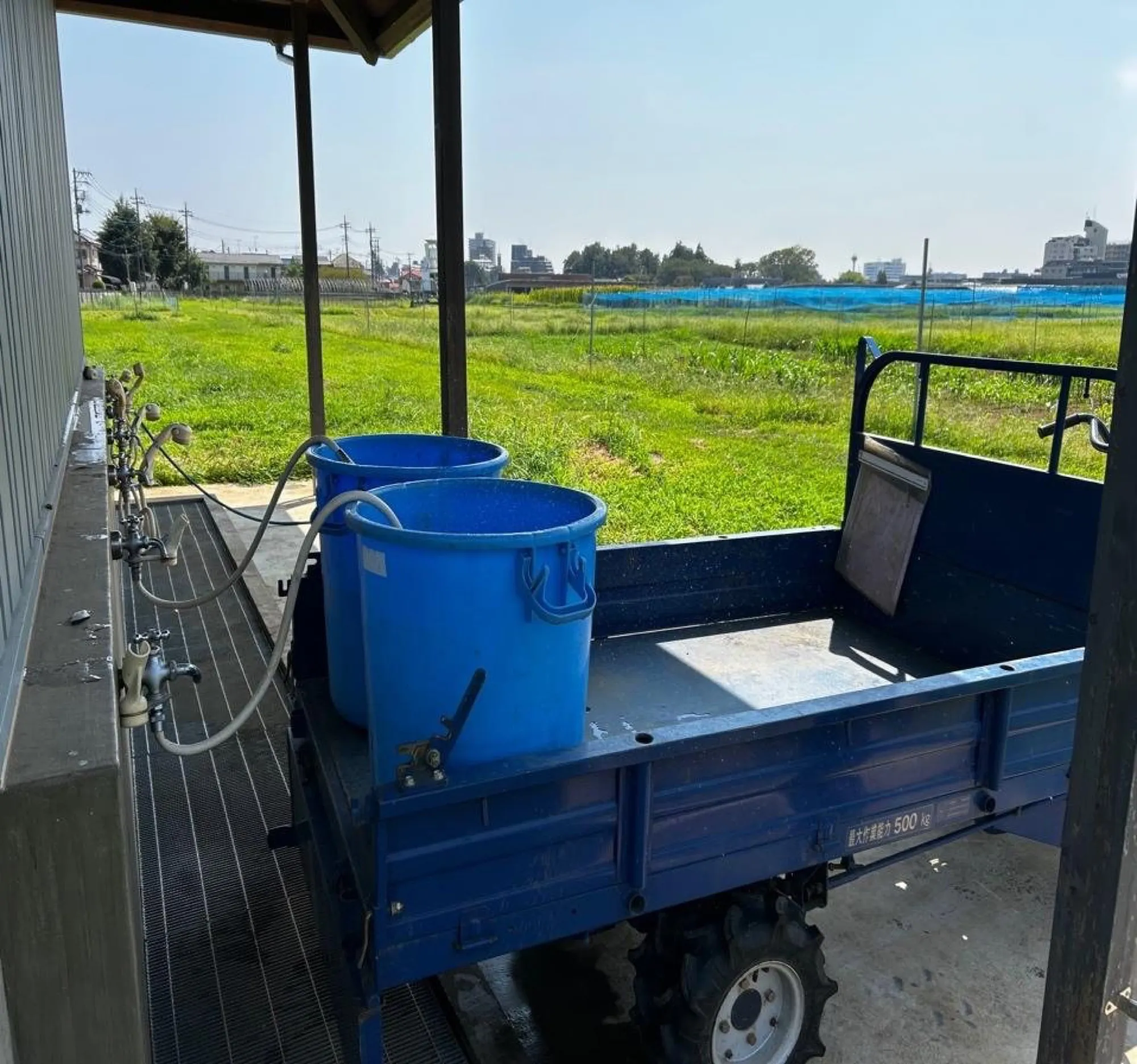
A small blue motorised utility cart under a shed roof, carrying two large blue water buckets with hoses, beside a green field.
Carrying water by cart at a research plot outside Tokyo, 2024. The distance is only a few hundred metres, yet it is very tiring.
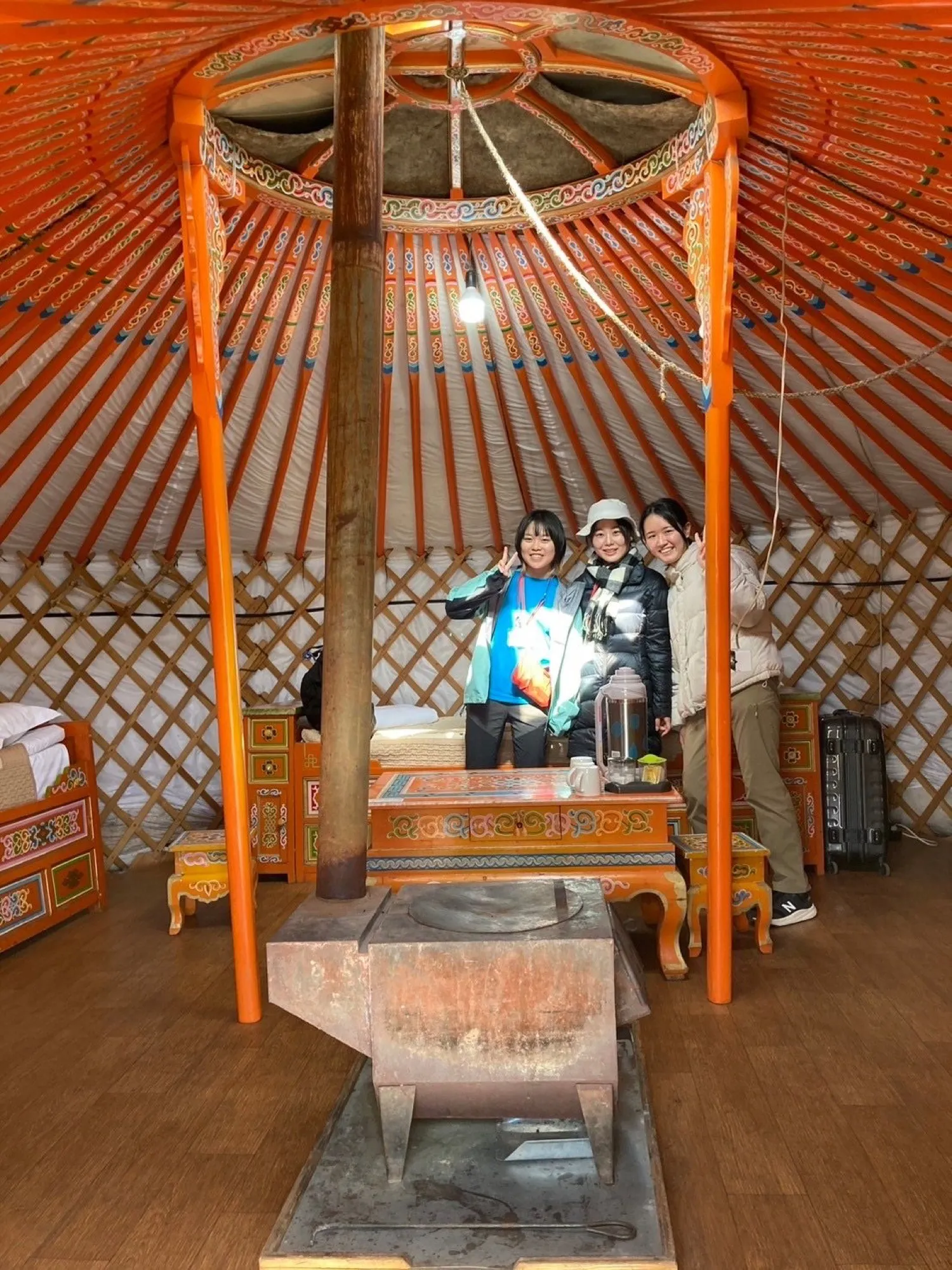
Inside a ger: an orange wooden roof frame, a stove in the centre and three people standing at the back.
Inside a ger in Mongolia, 2024.
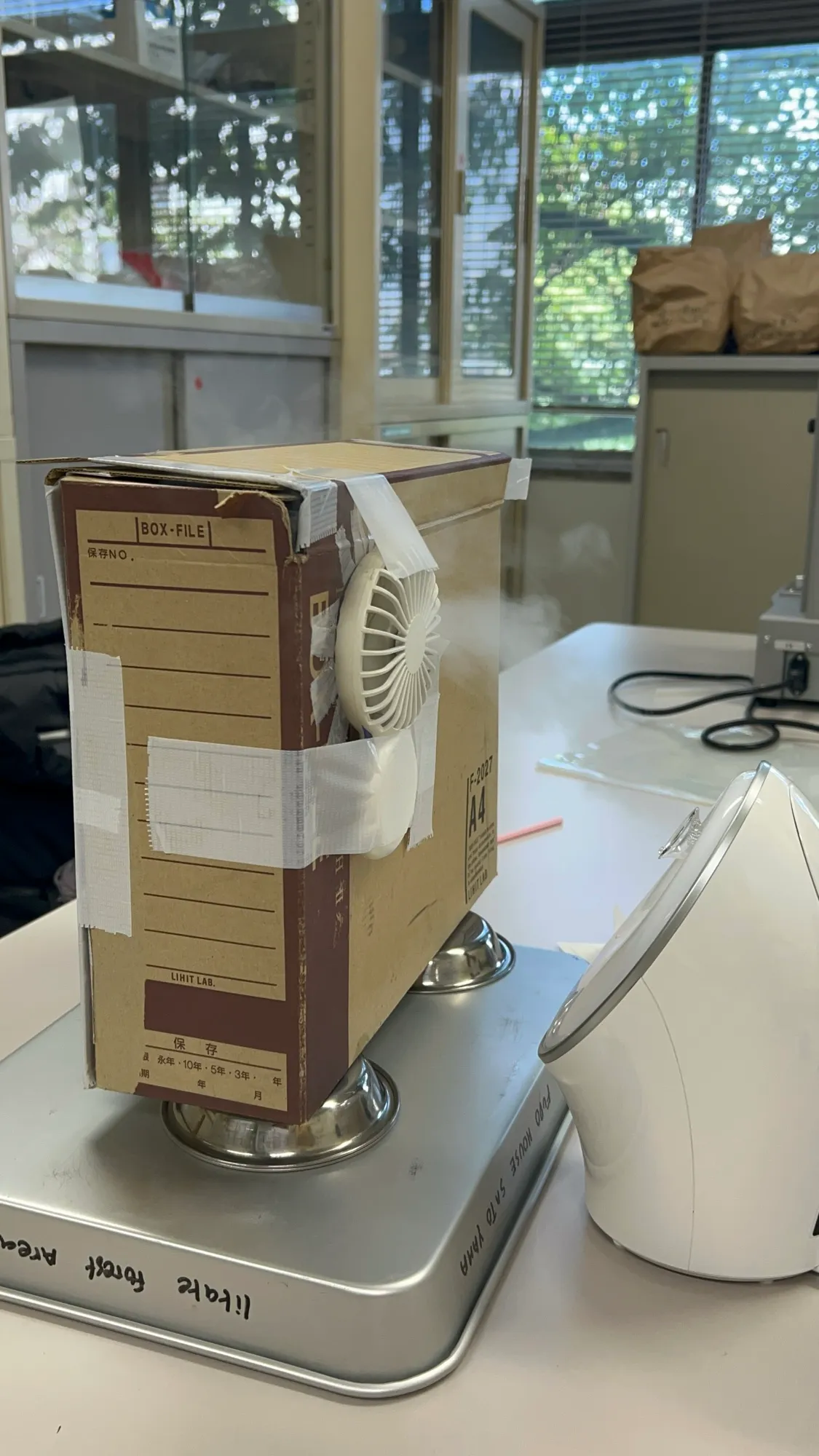
P1: a cardboard enclosure with a small fan attached, on a desk beside a white appliance.
P1, our first try, September 2025.
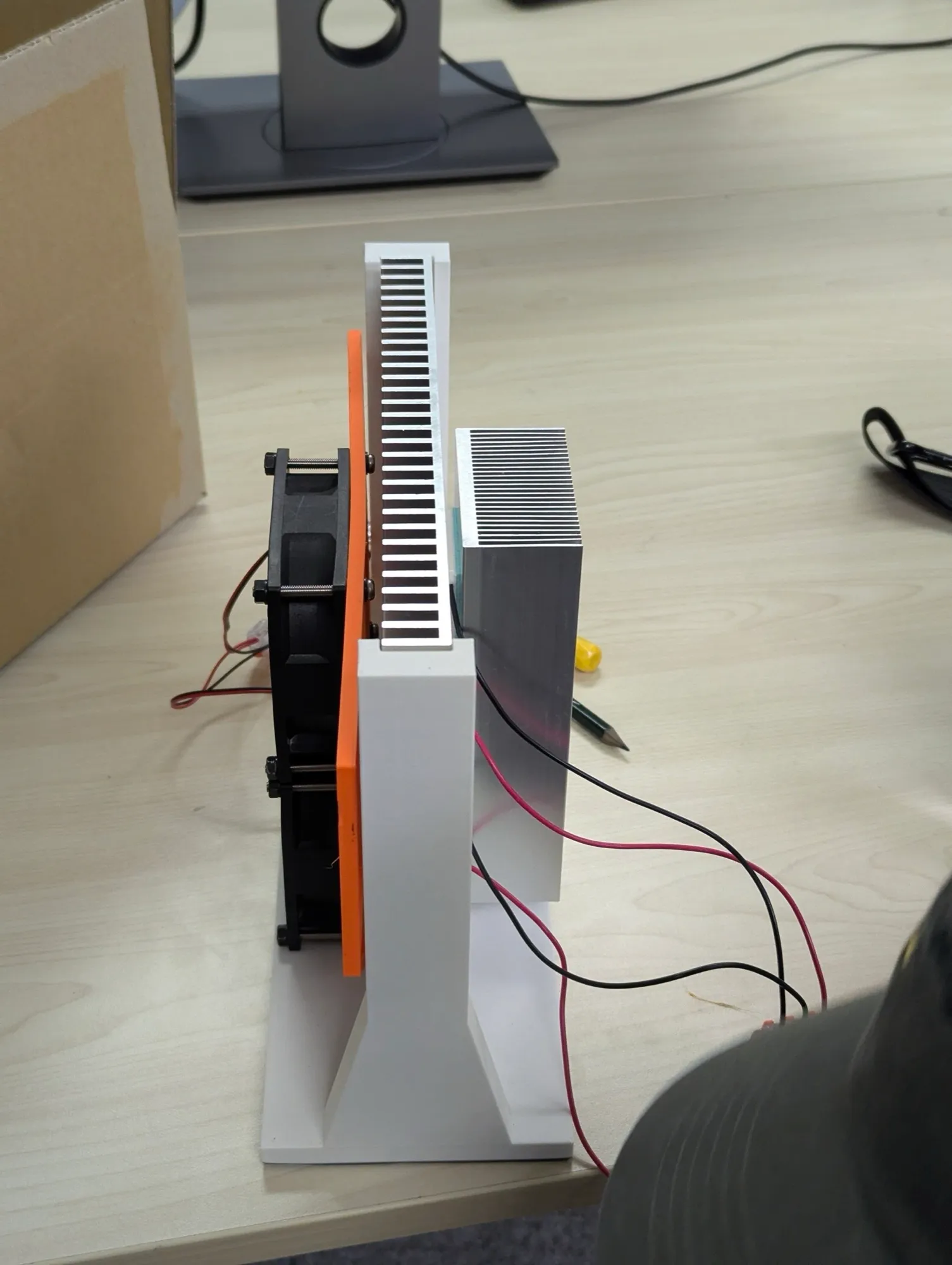
P5: an upright build on a white stand, with an orange panel, a black fan and a tall finned heatsink.
P5, our fifth build.
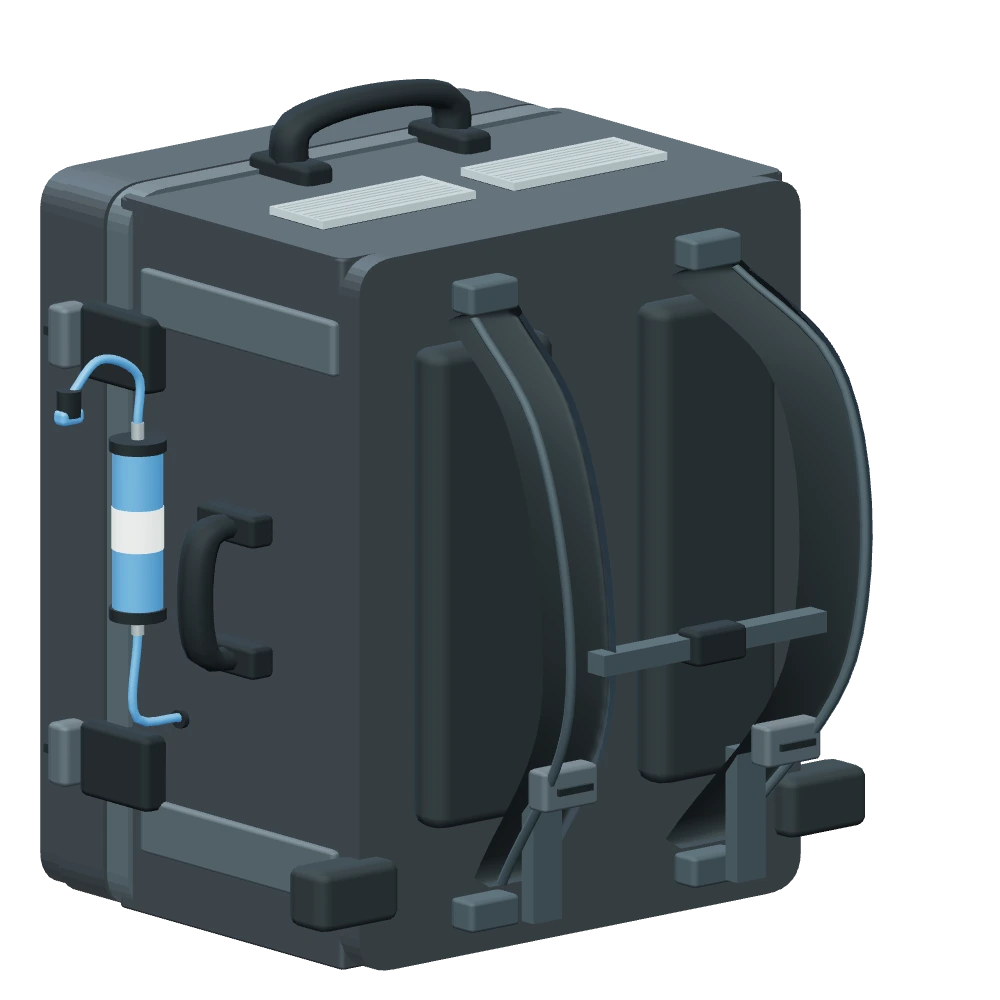
The HydroBeetle backpack as designed: a hard case worn on the back, shown open.
  1. A small blue motorised utility cart under a shed roof, carrying two large blue water buckets with hoses, beside a green field.
    Carrying water by cart at a research plot outside Tokyo, 2024. The distance is only a few hundred metres, yet it is very tiring.

    Summer 2024

    Carrying water is hard, even for a few hundred metres.

    We, the founders, were studying crops at the Faculty of Agriculture and looked after more than 3 hectares of fields. That year the research plot outside Tokyo had unusually little rain, so we carried water by bucket and cart, four hours every day. It was heavy, hot and tiring work.

  2. Inside a ger: an orange wooden roof frame, a stove in the centre and three people standing at the back.
    Inside a ger in Mongolia, 2024.

    The same year

    There are places in the world where all the water for daily life is carried in.

    In Mongolia, we met a household that brings in every drop it uses. They shower once a week and keep a careful eye on how much they drink.

  3. P1: a cardboard enclosure with a small fan attached, on a desk beside a white appliance.
    P1, our first try, September 2025.

    July 2025

    We asked a question.

    Could some of that water come from the air instead? We started HydroBeetle at the University of Tokyo to find out. The first try was a cardboard box and a small fan.

  4. P5: an upright build on a white stand, with an orange panel, a black fan and a tall finned heatsink.
    P5, our fifth build.

    Since September 2025

    Five builds, five lessons.

    We use the research methods we learned in graduate school: form a hypothesis, build, test and improve the design, again and again. Our aim is portable water-⁠from-⁠air technology that works in practice. Each generation of prototype has made one technical problem clear and led to the next stage.

    See the five builds
  5. The HydroBeetle backpack as designed: a hard case worn on the back, shown open.

    Next

    The full pack.

    Everything in one case you can wear. Then we test it where we control the air, and then outdoors.

What we believe, and what we do about it.

  1. Water should not need a pipe.

    So the pack collects it from the air around you.

  2. What you carry must earn its weight.

    So we judge every build by the water it gives for its weight and power.

  3. Nature worked it out first.

    So our collecting panel borrows from the back of a Namib Desert beetle that drinks fog.

  4. Ask before you build.

    So we asked 37 people what they would carry, and we keep asking.

  5. Say what you do not know.

    We care about showing our research and development as openly as we can. Building new hardware brings many problems and uncertainties that are not yet understood. So we keep what we have shown and what we aim for clearly apart, and we do not present as fact what science has not yet checked.

Where we are, in numbers.

What 37 people told us

When you spent a full day away from mains water and power, what troubled you most?

  • Heavy luggage 18
  • Toilet and hygiene 15
  • Weather 15
  • Fatigue 7
  • Getting lost 6
  • Shoes and clothing 5
  • Drinking water 4
  • Food 1
Multiple answers permitted; 71 responses from 37 people.

If the tap stopped tomorrow, how long would your home stock last?

  • Under 1 day 5
  • 1–2 days 12
  • 3–6 days 11
  • 7 days or more 1
29 responses.

Heavy luggage came first; drinking water came seventh of eight. Water is one of the heaviest things people carry on a multi-day trip, and we think many carry extra just in case.

The four of us.

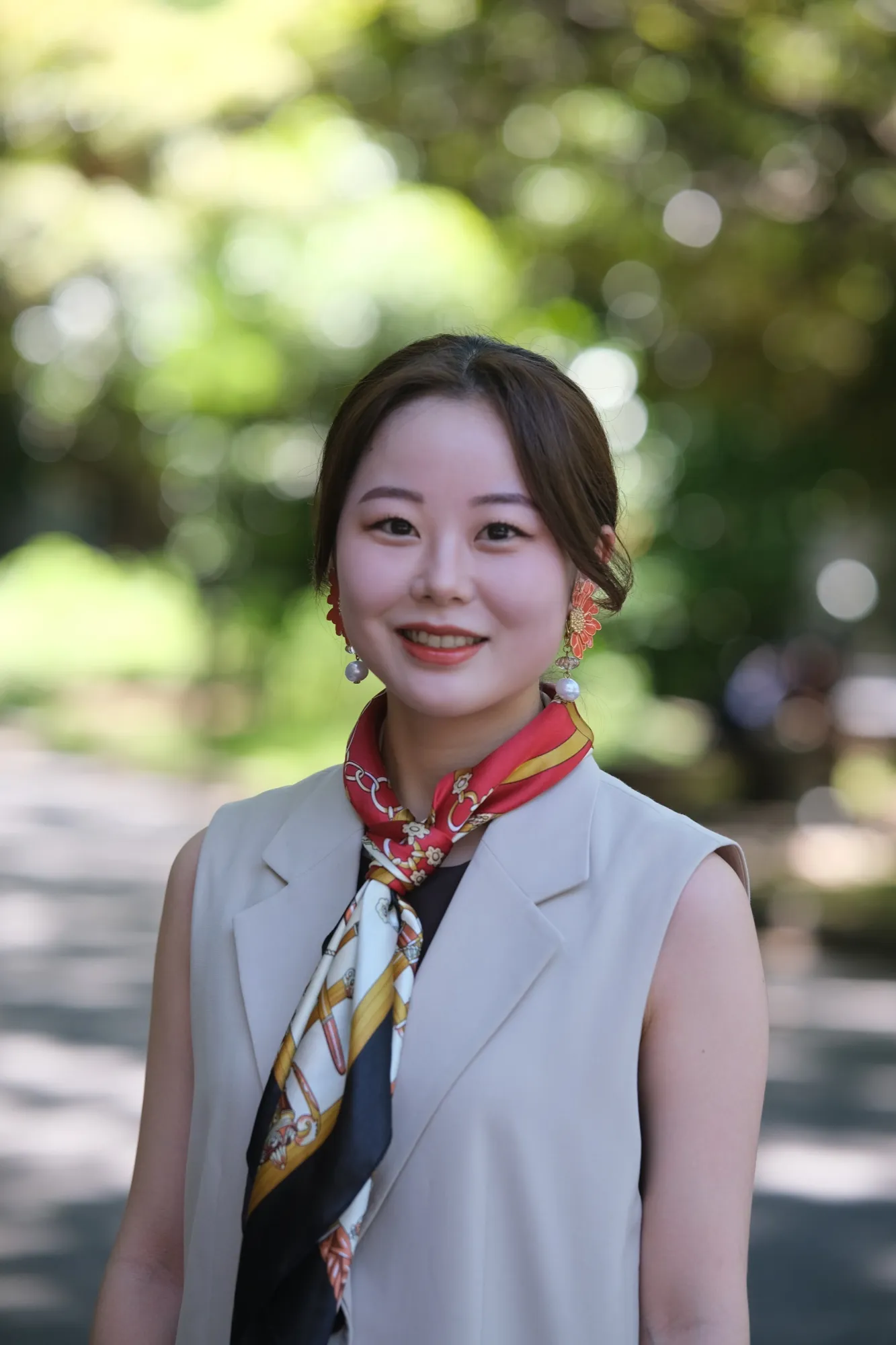
  • Portrait of Rina Fukunaga Finance

    Rina Fukunaga

    Co-Founder

    Leads strategy and fundraising.

    Equity analyst at Bank of America. MSc in agriculture, University of Tokyo.

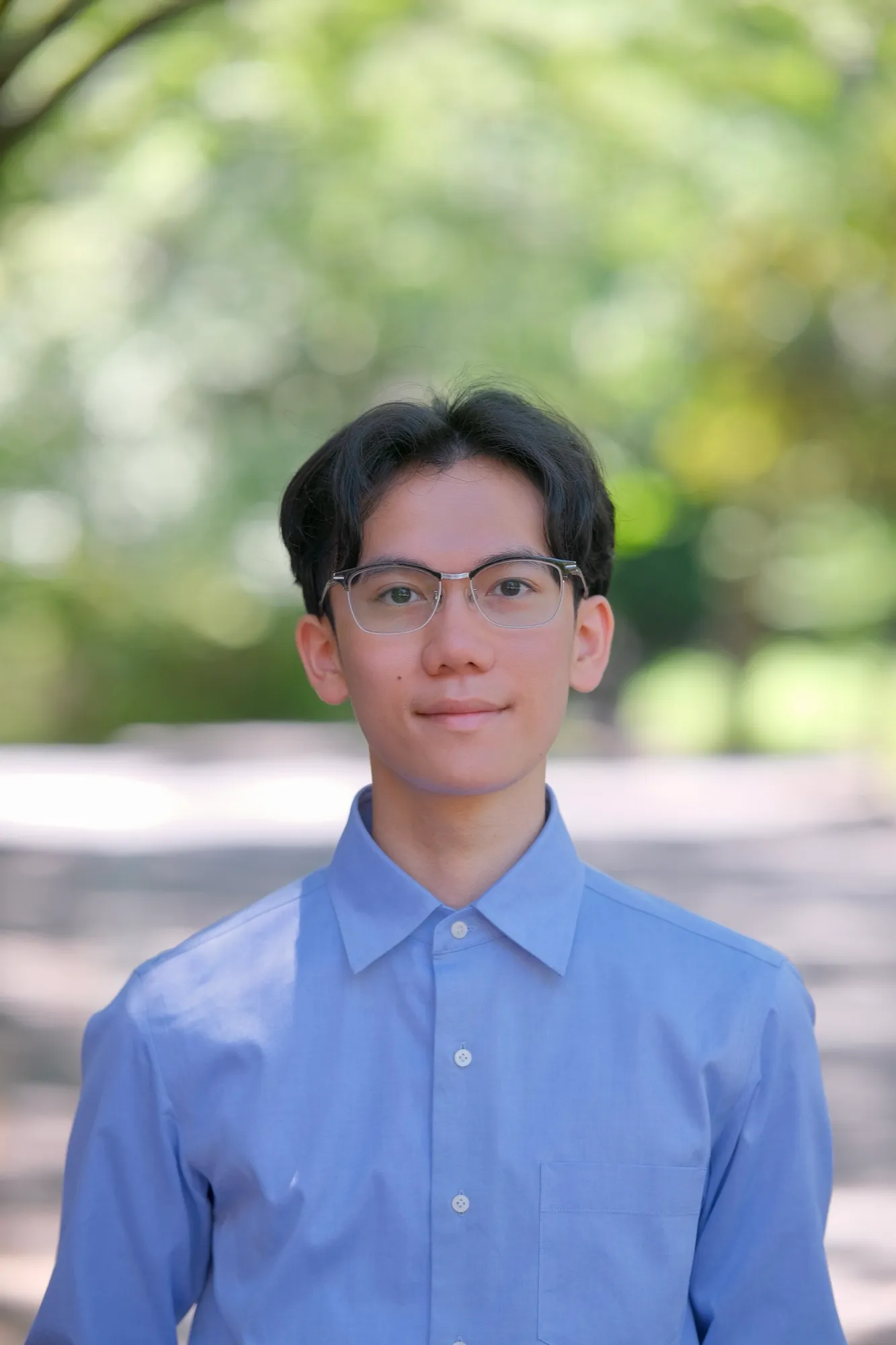
  • Portrait of Syahmi J. Suprem Crop science

    Syahmi J. Suprem

    Co-Founder

    Leads business development and builds the control system.

    Doctoral student in crop science, University of Tokyo. MEXT Scholar.

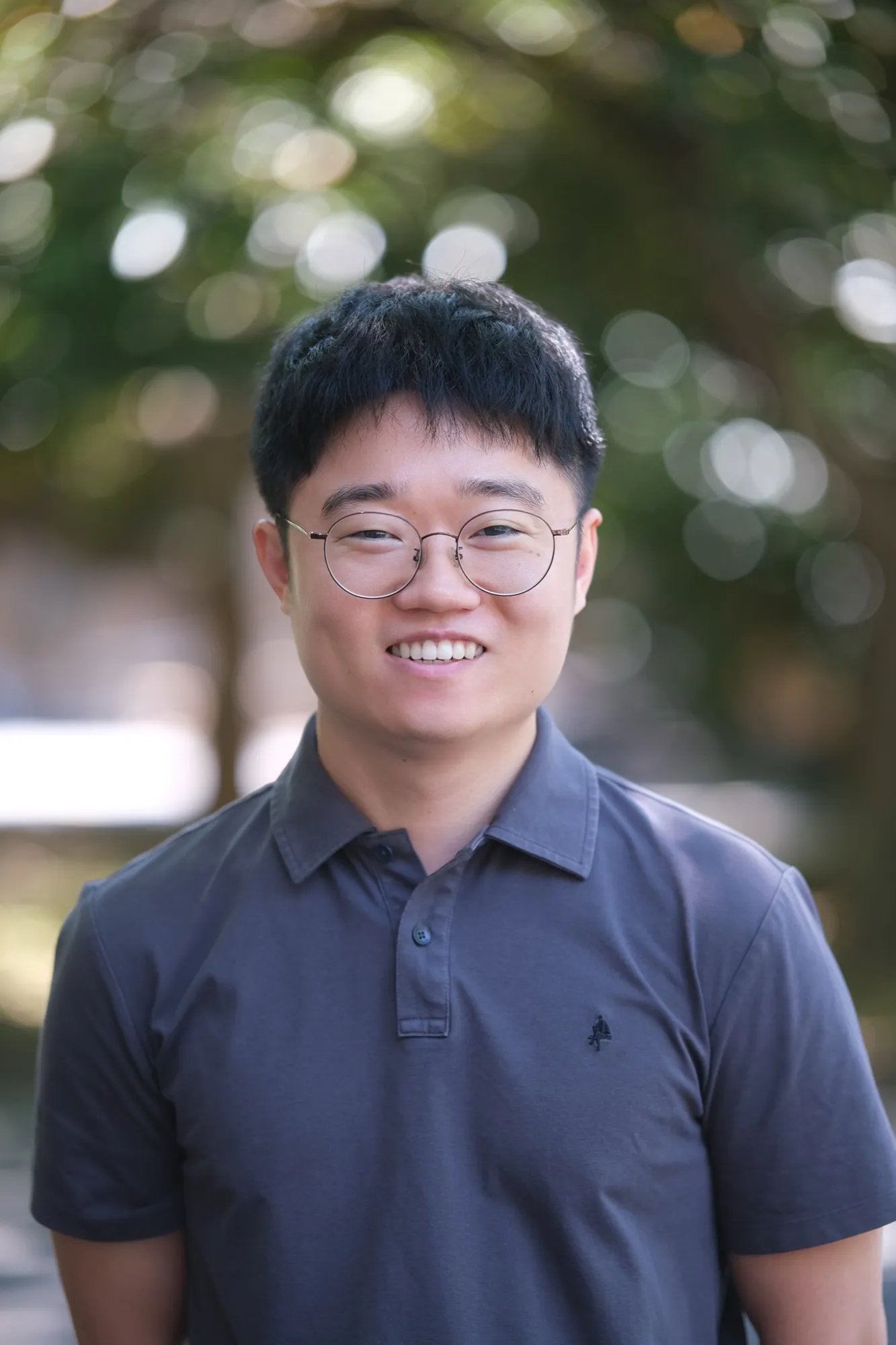
  • Portrait of Sunjae Jang Entomology

    Sunjae Jang

    Product Researcher and Developer

    Designed and developed every prototype, from P1 to P5.

    Doctoral student in applied entomology, University of Tokyo.

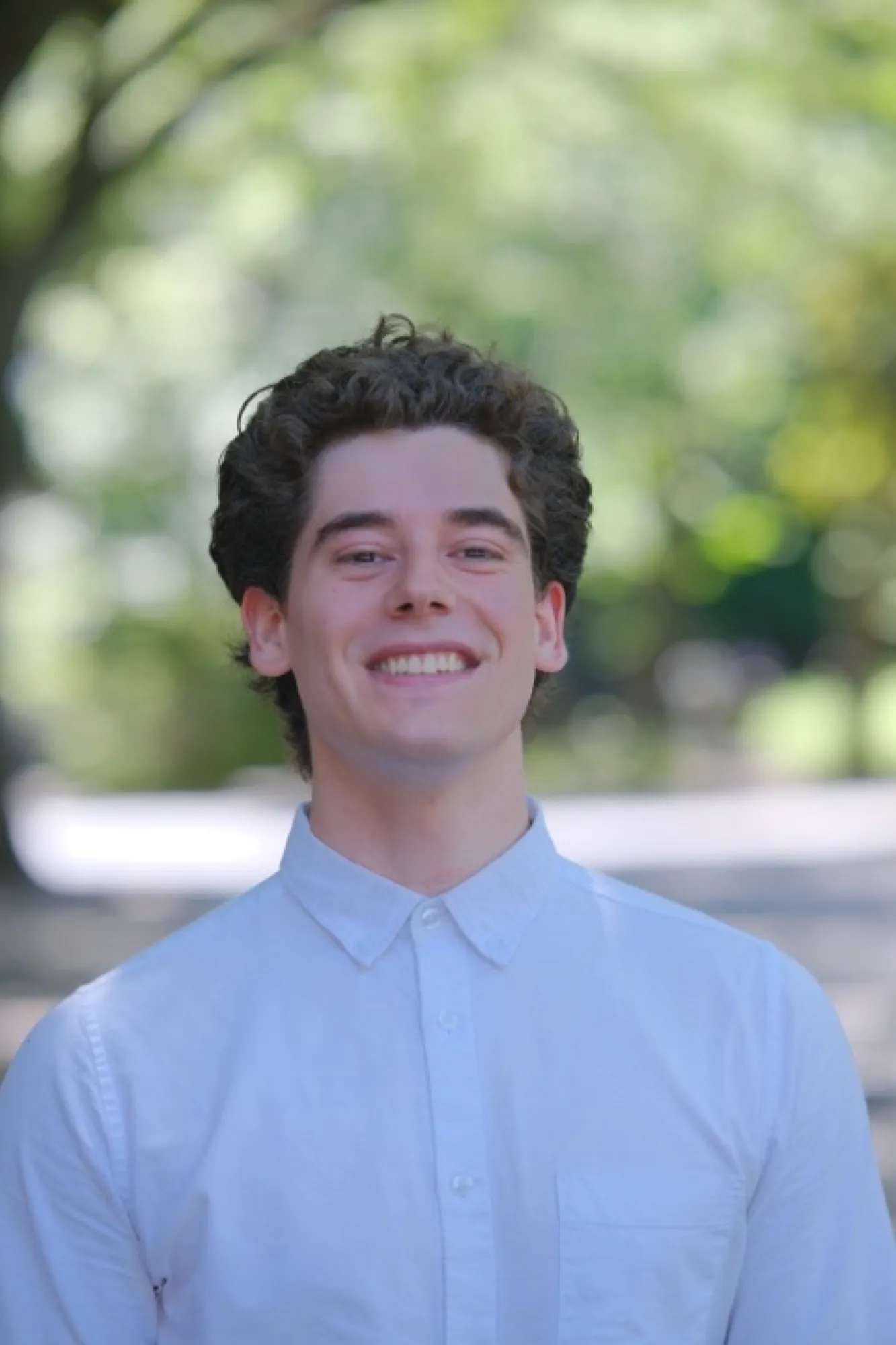
  • Portrait of Iván Felipe Velasco Medina Thermal engineering

    Iván Felipe Velasco Medina

    Product Researcher and Developer

    Runs the heat-release simulations and designs the panel.

    Doctoral student in mechanical engineering, University of Tokyo.

Want to build with us?

If you know heat and cooling, materials, water testing or making hardware, we would like to hear from you.

Build with us